
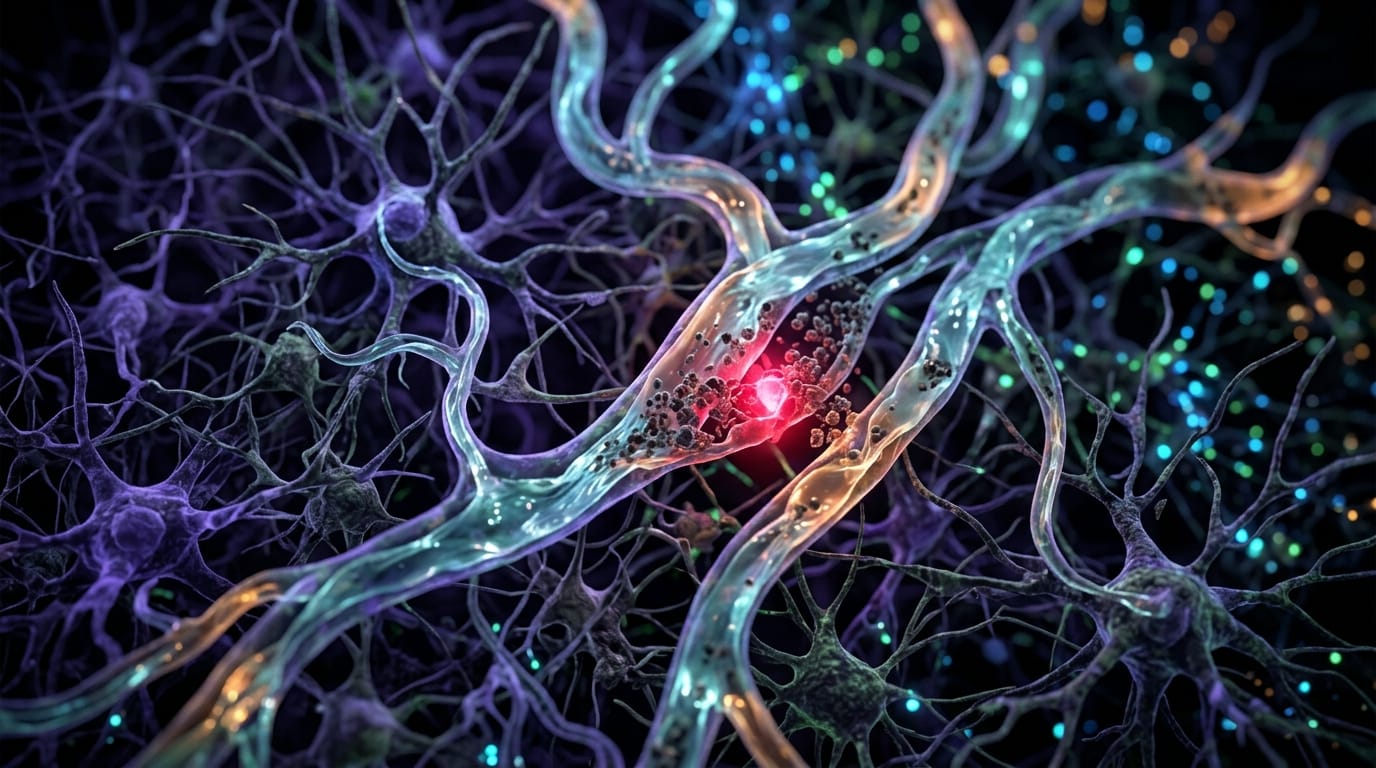
For centuries, we believed the brain was a fortress, sealed off from the body’s ordinary waste removal systems. The long-held assumption meant that for conditions like Parkinson's disease, the crucial question of how toxic proteins build up inside the brain remained stubbornly difficult to answer. It turns out, that assumption was profoundly mistaken. But in a relatively recent and fundamental discovery, scientists uncovered a plumbing system within the brain itself, a network—the glymphatic system. This system acts like a dedicated waste disposal unit for the brain, and understanding how it works—or fails—is proving critical for confronting the very real impact of diseases like Parkinson's on millions of lives. This intricate connection between brain health and its unique cleaning process is at the heart of recent work, including a comprehensive review by Chao Zhang and colleagues in their paper focusing on its role in Parkinson’s disease and its therapeutic potential.
Historically, the central nervous system was thought to clear its waste largely through the surrounding fluid, without the help of traditional lymphatic vessels seen elsewhere in the body. The discovery of the glymphatic system fundamentally changed this view. This system, named for its reliance on glial cells—support cells in the brain—allows fluid to move in bulk. Specifically, fluid flows from the space around the brain into channels alongside arteries, mixes with fluid deep inside brain tissue, and then exits along veins, taking waste with it. A key player in this whole process is a water channel protein called Aquaporin-4 (AQP4), which guides this fluid movement around blood vessels. This matters because this system is essential for clearing metabolic waste and especially misfolded proteins from the brain. When this cleaning crew doesn't show up, or can't do its job, those problematic proteins accumulate and clump together. In Parkinson's disease, one of the main culprits is a protein called α-synuclein. Its buildup and aggregation are a hallmark of the disease, directly contributing to the progressive loss of brain cells that leads to devastating motor symptoms and cognitive decline. If the glymphatic system fails, these toxic proteins are left to wreak havoc.
Evidence shows that impaired glymphatic function is not just a side effect of neurodegenerative diseases; it can actually be a driving factor. Researchers, for example, have used a method called Diffusion Tensor Image Analysis Along the Perivascular Space (DTI-ALPS) to measure overall glymphatic activity in living brains. They found that a reduced ALPS index, indicating lower glymphatic activity, can appear before other clear signs of disease, like the accumulation of amyloid proteins in Alzheimer's. A lower ALPS index is significantly linked to faster amyloid buildup, increased brain shrinkage, quicker cognitive decline, and a higher risk of the disease getting worse. This means glymphatic failure could be an early warning sign and even a trigger for the disease process.
The glymphatic system also acts as a critical bridge between what’s happening in the rest of your body and the health of your brain. Peripheral inflammation—inflammation occurring outside the brain, often from systemic conditions—can overwhelm the glymphatic system's ability to clear waste. When this happens, it can spark or worsen inflammatory responses within the brain. This sustained brain inflammation, brought on by poor waste clearance and altered fluid dynamics, sets the stage for brain cell damage and contributes significantly to neurodegeneration. The consequence is that your body's general health can directly influence your brain's susceptibility to diseases like Parkinson's.
It’s true that the exact mechanisms controlling the glymphatic system and its full relationship with neurological disorders are not yet completely understood. We still have questions about precisely how α-synuclein is cleared through these pathways and the full extent of Aquaporin-4’s involvement. But this uncertainty highlights a promising area of investigation, not a roadblock.
This system represents a significant opportunity for developing new treatments. Imagine therapies that could enhance brain waste clearance, modulate inflammation, or even deliver drugs to the brain more effectively by working with its natural plumbing. Research is now focused on understanding its intricate structure, the details of its fluid transport, and how astrocytes and blood vessels organize these cleaning pathways. This deeper understanding could lead to novel interventions for Parkinson's disease and other brain disorders.
For those facing these conditions, or concerned about brain health, this research offers a clear direction: supporting and understanding the glymphatic system is an immediate next step. This means continuing to invest in detailed research to unlock its secrets, translating those insights into specific clinical trials, and exploring how daily habits might impact this crucial brain cleaning system. ◆
Sourced from: "The Glymphatic System–Neurodegeneration Axis: Its Role in Parkinson’s Disease and Therapeutic Potential"